Author Archives: blogginggazelle

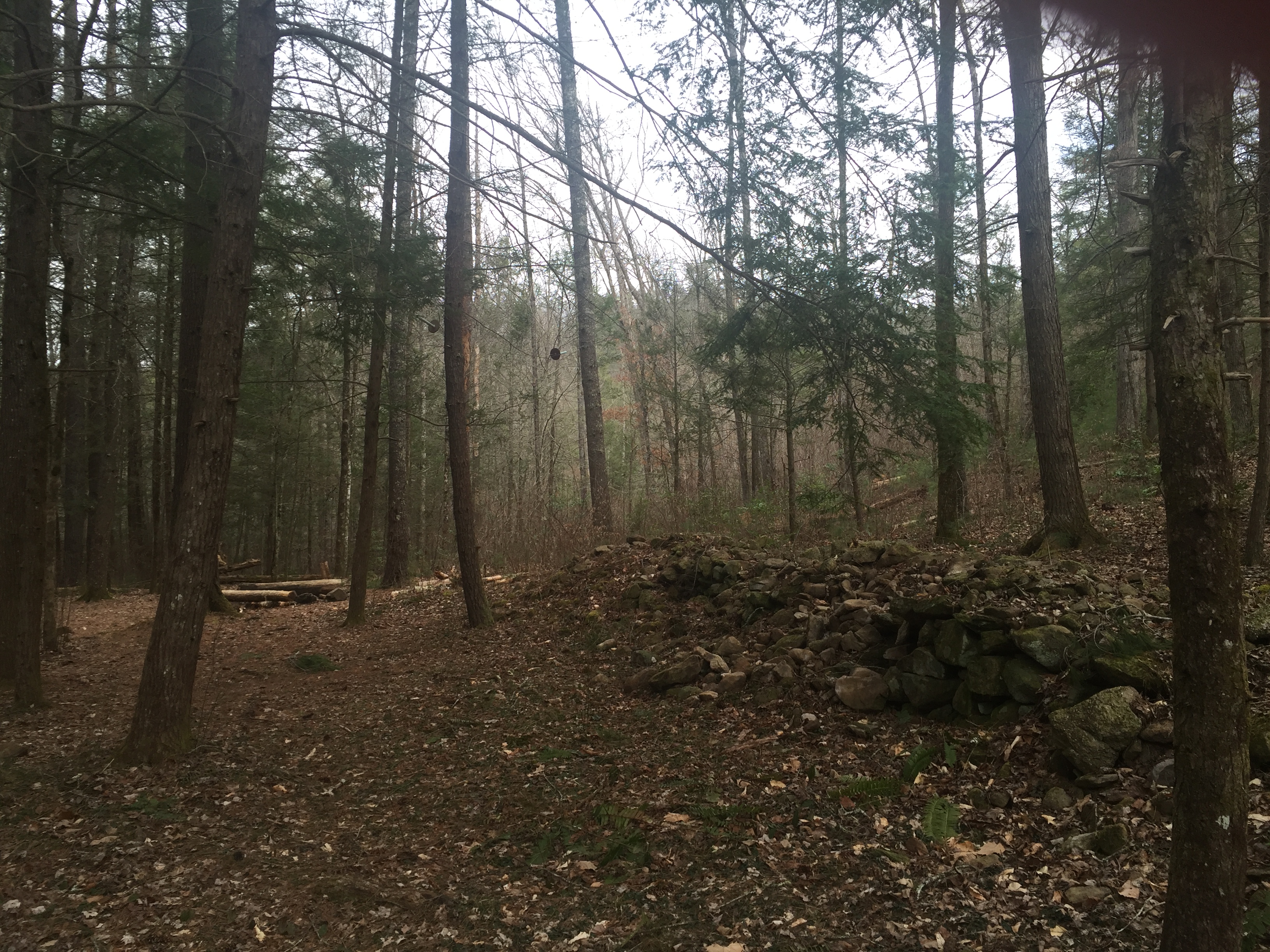
Campsite #1 – Cooper Road

Campsite #1 - Cooper Road

Campsite #1 – Cooper Road

Campsite #1 – Cooper Road

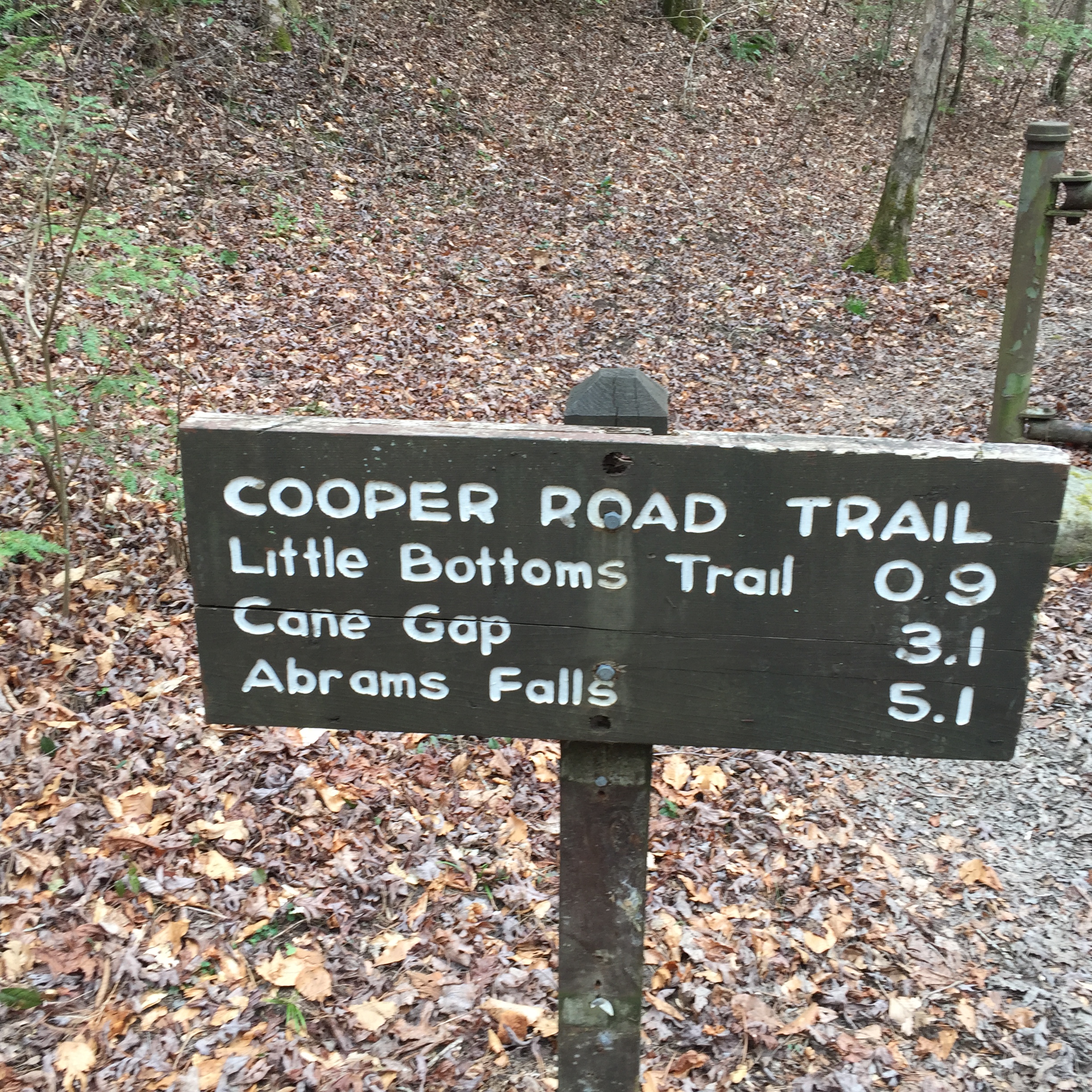
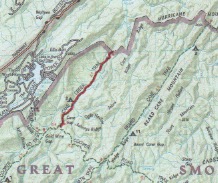
Cooper Road Trail – 0.9 miles from trailhead at Abrams Creek Campground at intersection with Little Bottoms Trail.

Capacity: 12

Rating: 4

Water: Available from creek nearby.

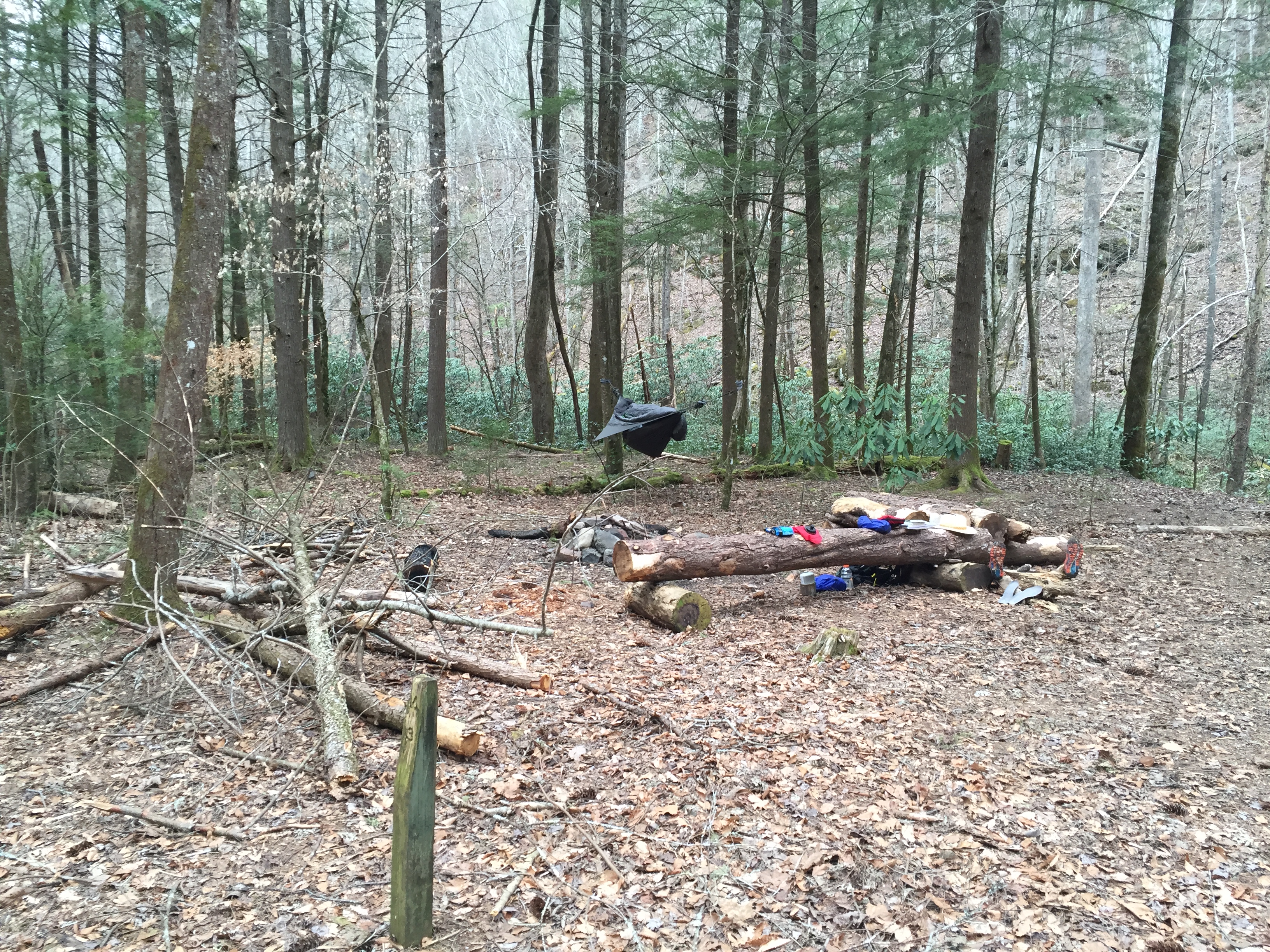
Campsite #1 is a nice flat space that is surprisingly low impact given it is only a mile from the trail head.  There is plenty of ground cover and there are two fire rings and two sets of bear cables.  The site is off the trail but highly visible.  There are plenty of small trees for hammocks and little evidence of potential blow downs and widow makers.

Rating Review

  • Ready access to water (Water: 1)
  • Bear cables – generally a given but some site may not have them (Amenities: 1)
  • Low Impact – little evidence of overuse such as sparse vegetation and general appearance (Low Impact: 1)
  • Dry or properly draining tent sites (Layout: 1)
  • Level tent sites
  • (X Factor: 0)

HikerHead 2  Shalom.  Strider out…

Agony of DeFeet

The gear question I tend to get most often is, “what kind of hiking  shoes should I get?”.  “I don’t know.  I’ve never used your feet,” is typical as my reply.  The feet are the most vital set of hiking equipment we have determining, perhaps quicker than anything else, whether a hike is ultimately remembered fondly.  It is also a defining factor for novices as to whether they stay with hiking.  Cheryl Strayed went into excruciating detail about her feet in her book Wild, ultimately leading to losing her boots over the side of a cliff.  As far as I remember, her feet were not in them at the time.

My feet are highly personal to me.  I am the only one that ever uses them.  I never loan them out.  And like most earth traversing bipeds, we have plenty of time to think while hiking. So I developed my Philosophy of Feet.  There are plenty of great websites that give all the basic advice on shoe selection.  This post is about coming to terms with our feet and and perhaps confronting a myth or two that leads to expensive purchases, and of course, extra weight.

The Myth of Dry Feet
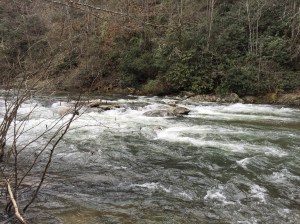
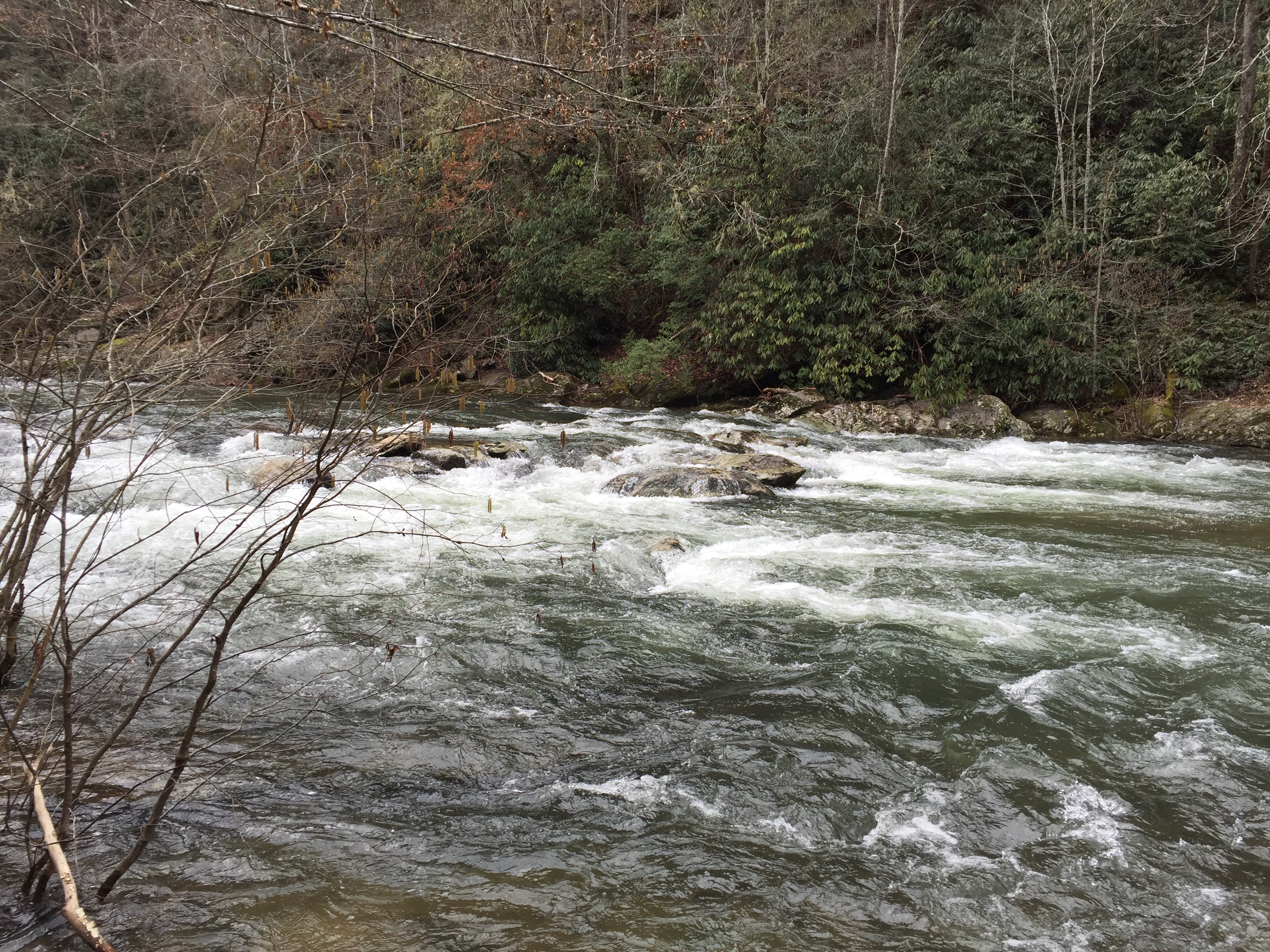
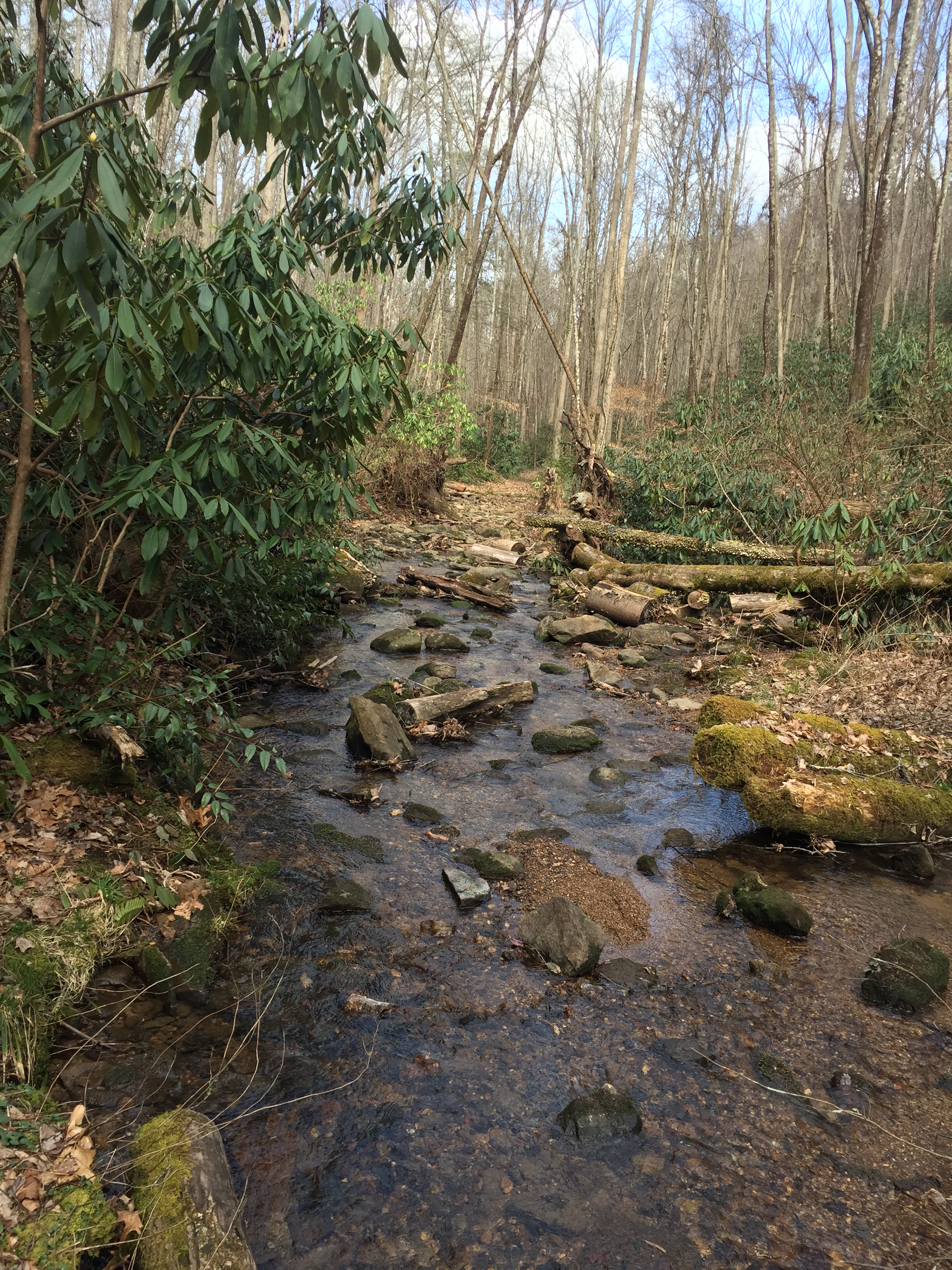
Abrams Creek at Hannah Mountain Trail

Abrams Creek at Hannah Mountain Trail

The Great Smoky Mountain National Park is a rain forrest.  Average annual rainfall in the park ranges from 55 inches in the lower sections to more than 85 inches atop the ridges.  To our great fortune, that water moves down the 2,900 miles of rivers and streams, over the spectacular falls and cascades that present the symphonies of water music and the lullabies that sing us to sleep.  Some trails are known for their prolific number of stream crossings; Eagle Creek (17), Beard Cane (16), Lakeshore (15), Bone Valley (5 crossings in 1.8 miles) and others.  Abrams Creek must be forded knee deep twice, at Hannah Mountain Trail and lately near the Trailhead on Rabbit Creek Trail with the bridge washed out.  Rock hopping gets you over many of the crossings but ultimately, you will either slip or find there is not a suitable dry crossing.  Rock hopping in winter is downright treacherous as invisible ice forms on rocks inviting your feet to land, only to land your bottom in the creek.

The Myth of the Waterproof Boot

Waterproof boots are better at holding water IN than they are keeping water OUT.  And unless you never hike in the rain or always wear fisherman’s waiters, water will get into your boots.

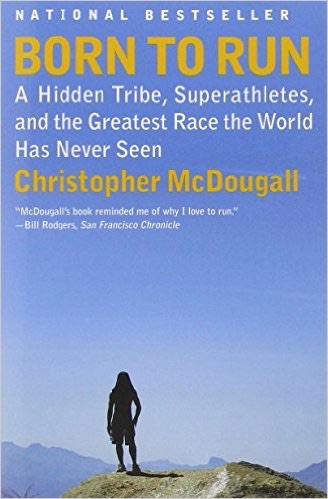
Born To Run
Born To RunChristopher McDougall’s book Born To Run was a deep dive in how humans were built for covering long distances on foot and how modern technology has actually interfered with our natural ability to do so.  He lived with the Tarahumara Indians of Mexico to learn how they can run hundreds of miles day after day wearing no more than thin leather sandals.  His hypothesis is that modern running shoe technology has provided too much cushioning and it impedes the natural movement of the foot and running gait leading to injuries.  He cites research that despite high tech shoes costing north of $150 per pair, foot and leg injuries have gone up over the years.  This has sparked a strange movement of barefoot runners and minimalist running shoes, which is a topic for another time.  But the bottom line is that over-cushioned and stiff soles, interfere with the way our feet flex and adjust to the terrain in which we walk.  Notionally, we are better off with fewer restrictions in binding our feet in shoes.

A Pound On Your Feet Adds 5 Pounds To Your Back

This axiom has been around for decades.  There’s a great article by 

Blistering Heat

The source of blisters is almost always bad fitting shoes, meaning shoes that are too small and too inflexible.  Blisters are caused by friction.  While excess movement can be a contributing factor, it’s the conditions of that movement that actually lead to the burns.  Rigid inflexible shoe soles cause the feet to move inside the shoe.  Built up moisture softens the skin and worsens the effect of excess movement.  Feet also like to move in the shoe.  Shoes that are too small restrict the natural movement of the feet (such as the toe region) and force the movement toward the pads of the feet.  Feet swell when hiking.   Tight fitting shoes displace this natural movement to other parts of the feet that are more prone to blisters.

The Water’s Fine…
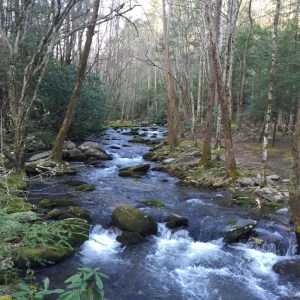
West ProngIt was perhaps in the Pretty Hollow Gap area, after several unsuccessful attempts at rock hopping that an epiphany struck.  I have spent a lot of money and tried a lot of tricks (gaiters, wrapping my feet in plastic trash bags, no really) and hopped (slipped on) a lot of rocks and carried heavy sandals and expended a lot of stress and emotion… all in the quest of dry feet.  On this day, it rained and when it rains, you give up to being wet.  In that moment, I unconsciously quit worrying about getting my feet wet.  It simply didn’t matter anymore.  Then my mind played a strange trick on me.  It brought this thought to my consciousness.  When you’re not worried about getting your feet wet, rock hopping is no longer an imperative.  Then you realize that wet feet, once they’re wet, are not so bad.  It became one of those existential questions; “Why am I here?”, “Where did I come from?”, “Why am I afraid to get my feet wet?”.  Water is the stuff of life.  It’s one of those things that made life possible on this third rock from the Sun.  I was freed that day of the fear of wet feet.

And So…

When you embrace the inevitable fact that your feet will get wet when you hike 900 miles in the Smokies, it opens up new possibilities to how your dogs are shod.  You no longer require waterproofness.  In fact, you will seek a shoe that leaks like a sieve because you want the water to have an easy exit.  It’s not about the presence of moisture but the amount and where it goes.  This is a thing that will confuse the sales person at the outfitter as they try to convince you to buy expensive GoreTex; “No, please show me your lightest, most leaky shoe first.”  Chota makes shoes for canoeists who paddle the Boundary Waters of Minnesota.  The proper way to ingress a canoe is to walk into the water with the boat afloat and step into it.  Wet feet are a given.  Chota actually puts little vents on the insoles of their shoes so the water can flow right out.  I have been known to punch a couple small holes in the insole of my hiking shoes.  When I ford a creek, my feet are pretty dry within a half mile or so of hiking because the water works it’s way out of the shoe pretty quickly.  Slightly damp, yes.  Soaked no.

Sock It To Me

The old school traditional wisdom on socks was to wear thick wool socks with thin polypropylene or silk sock liners.  This was in the era of heavy full grain leather mountaineering boots, which were about the only option available to hikers back in the day.  The wool socks were padded and insulating and the liners were for wicking moisture away from the skin.  Since the liners couldn’t absorb and keep moisture, the feet remained slightly damp rather than completely soaked.  Plus, the liners served as a second skin to guard against friction.  Some lightweight guru along the way asked a simple question.  “If my shoes drain well, why do I need the thick socks?”  Ray Jardine advocates cheap men’s dress socks which you can buy for 3/ $10 at your favorite discount retailer.

The Cold Truth
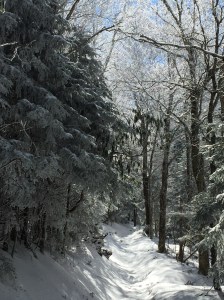
Snow on Maddron Bald Trail

Snow on Maddron Bald Trail

It’s been my experience that hiking keeps your feet warm. Even in the winter through snow. Most 900 Milers avail themselves of the off-season, especially for the more popular trails.  I hiked Maddron Bald the end of February in 8 inches of snow.  If it’s winter and you hike above 4,500 ft., you’ll hit snow.  Yes, my feet get wet and cool.  But I never have a problem with severe cold.  When my hiking is suspended for the day, I make sure to have dry warm socks and in the pack.

Soul of the Sole
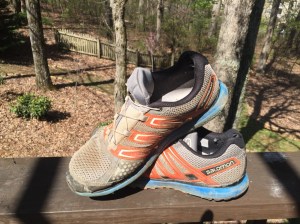
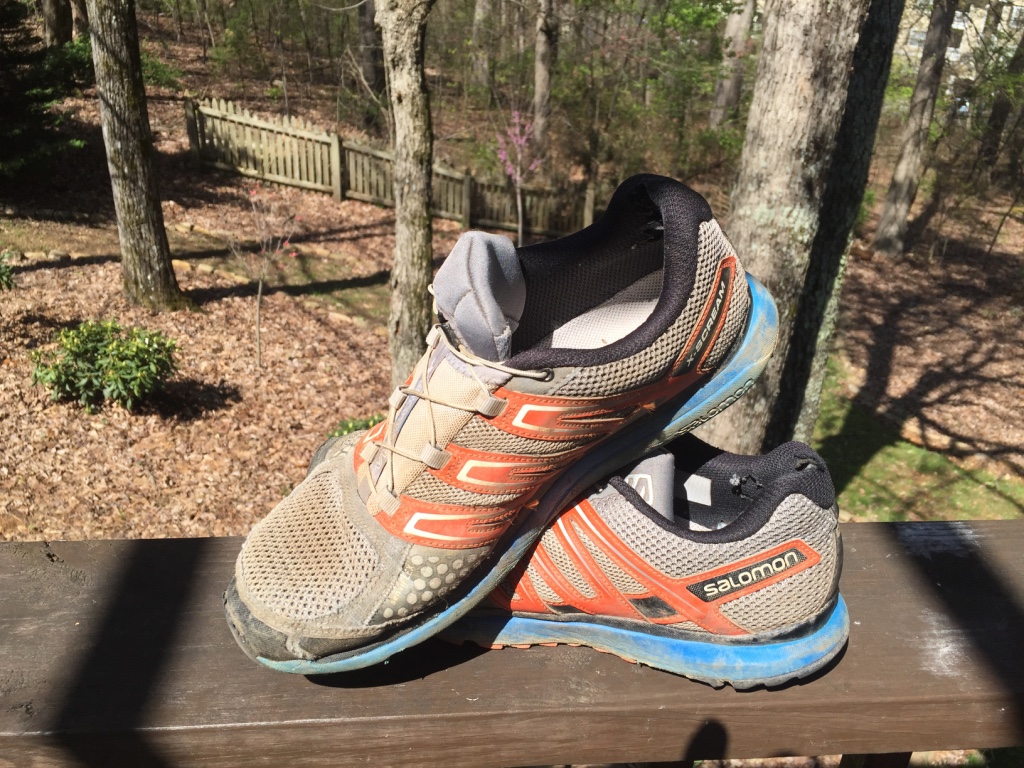
Salomon XSCREAMMy ideal shoe is the lightest, leakiest, reasonably flexible, least padded, cheapest shoes I can find.  I pair them with thin ankle high merino wool socks.  I have about 600 miles on a pair of Salomon XSCREAM trail runners.  They weigh together 1 lb. 6 oz.  They only have a few miles left and I will be sad to retire them.  As far as I can tell, Salomon discontinued the model and replaced them with the X Mission 3.  One of the gripes I have with gear providers is that in order to project cutting edge design and a sense of what’s new, they tend to retire good products for no other reason than they are so last year.

My feet have never been happier since I went lightweight and free flowing.  I rarely blister and I don’t have aches and soreness from moving against rigid hard soles.  My preference is still to rock hop creeks if reasonable but a good soaking is no longer the end of my happiness.

Of course, I could be wrong…

HikerHead 2  Shalom.  Strider out…

Cooper Road Trail

Date:    02.26.2016, 03.11.2016 – 03.12.2016

Miles:  10.7 miles           Elevation Gain:  1150↑         Elev./Mi:   107.5        Grade:     2%          

Difficulty:  Class 2             

Section:  Cades Cove    

Cooper Road TrailCooper Road Trail presents a host of options for different loop hikes leading out of Cades Cove and Abrams Creek Campground as it intersects with 5 different trails and has two distinct trailheads.  As for hiking it is downright delightful in that it only climbs 1,100 feet over its 10.7 miles.  It is definitely one of the longer treks in the park if hiked one-way but that is the challenge.  It really doesn’t fit in a one way scenario, nor does it work as a simple loop.  For the 900 miler, it will end up being hiked in several sections over a few days. Such is the case here.  IMG_2272Cooper Road was a main thoroughfare servicing Cades Cove before the establishment of the Park and much of it enjoys wide double track and relatively well graded terrain as any former roadway or railroad bed.  In fact, Rich Mountain Road and Parsons Branch Road were similar in their day and the Park Service chose to maintain them as access roads.

There are a few access points.  The trailheads are at Cades Cove Road on the east end and Abrams Creek Campground on the west end with ample parking at both.  The third access point is via the Goldmine Road Trail about 2.6 miles from the Abrams Creek Trailhead.  Surprisingly, there is only one campsite directly on the trail, which is CS #1 about 1 mile in from Abrams Creek at the trail junction with Little Bottoms Trail.  CS #2 is reasonably close at 06. miles down Cane Creek Trail.

Cades Cove to Hatcher Mountain

Cooper Road #1The first section completed was part of a loop hike that included Abrams Falls.  The section started at the Cades Cove trailhead.  It was 39 degrees and overcast on the morning of Feb 26, 2016.  At 0.2 miles, the Wet Bottoms Trail intersects to complete a nice loop trail around IMG_2271Abrams Falls.  At 1.0 mile, the trail rises gradually and levels off to a nice rolling stroll.  A concrete bridge appears at 1.4 miles as the trail crosses Arbutus Branch.  A moderate climb continues to about 1.7 miles where views appear although on this day, the clouds robbed the hiker of any panoramic landscape.  The trail reaches a ridge at about 2.5 miles and continues fairly flat before a slight descent at 3.0 miles.  At 4.0 miles, you cross Stoney Brook in a rock hopper.  Two prongs of Wilsons Branch are encountered around 5.0 miles that are negotiated with some skillful rock hopping.  Following the two creek crossings, there is a bit of overgrown brush and briars that only last a few hundred yards or so.  There is some blow-down evidence in this area accompanied by some pine tree growth.  At 5.7 miles the trail intersects with Hatcher Mountain Trail and continues on to Cane Creek Trail which is 1.8 miles ahead.  For this hike, I left Cooper Road down Hatcher Mountain to make the Abrams Falls Loop.

Abrams Creek Campground to Goldmine Road Trail

Cooper Road #2Continuing on the trail description is going to be a bit tedious and out of sync as the next section was hiked starting at Abrams Creek Campground as part of a 2-day backpacking trip that occurred March 12-13, 2016.  The trailhead is at Abrams Creek Campground where there is good parking, even IMG_2474in the off-season when the campground is closed.  The trail begins at the back side of the campground and continues for the first mile or so along Abrams Creek.  The trail only ascends 250 ft. over this 2.6 mile section making the climb barely noticeable.  At 0.9 miles, the Little Bottoms Trail intersects from the right and Campsite #1 is just beyond.  It is fairly nice site, especially being so close to a trailhead.  By now the trail picks up and follows Kingfisher Creek for the next mile.  At 2.6 miles the trail intersects with the Goldmine Road Trail, which leads 0.8 miles to the Top Of The World Community on Chilhowee Mountain.

Goldmine Road to Cane Creek Trail

Cooper ROad 3From Goldmine Road, the friendly stroll continues almost flat to Cane Creek Trail in 0.6 miles.  Campsite #2 is about 0.6 miles down Cane Creek Trail.


Cane Creek to Beard Cane/Hatcher Mountain

Copper Road #4The first 1/4 mile from Cane Creek is the first indication that Cooper Road Trail climbs at all, climbing nearly 200 ft, which is 800 ft. per mile but it quickly levels out for more of the very gentle climb this trail has enjoyed from the trailhead.  This 1.8 mile section was complete in 32 minutes which is a 3.3 mph pace… with a backpack.  A testament to how level the trail is in this section.  The section ends at the intersection with Hatcher Mountain Trail and Bread Cane Trail. From here it is 5.7 miles back up to Cades Cove.

HikerHead 2  Shalom.  Strider Out…


Getting the Word Out

IMG_2393 Blogging without sharing is a diary.  There’s nothing wrong with a diary and journals are often published.  One is never sure if what he has to share is worth sharing but there is only one way to find out.  So it is with 900milerblog.com.  The site has been up a few months now and many of the kinks are straightened.  There is a flow and a bit of a routine and now there is enough content to prove to myself that this is more than a foggy idea.  Now it’s time to see if there’s anybody alive out there.

There is a growing community of those who desire to complete all the hiking trails in the Great Smoky Mountain National Park.  I am 120 miles into my second tour and I created this website to capture the experience start-to-finish.  Hopefully it will serve as an online guidebook and offer insights on equipment, techniques and a bit of spiritual connection to creation and its Creator.

So with this social media debut, all the connections to Twitter and Facebook have been made and this is the maiden voyage.  (It’s really a test to see if it actually shows up anywhere).  If you manage to find it, give me a buzz and let me know what you think…

HikerHead 2  Shalom. Strider out…

In Search of the Optimum “Big Three” and The Impact of the Sales Pitch

A Tale of Two Hikers

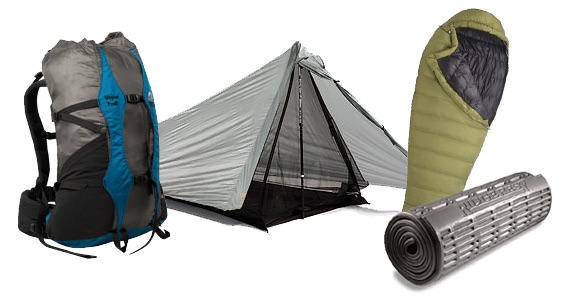
The Big Three copyAny article on lightweight backpacking mentions the big three; Tent, Sleeping Bag and Pack.  Two recent experiences have led me to believe the attainment of lightweight enlightenment with regard to the Big Three is more elusive than previously credited.  In the first case, a friend is in the first couple weeks of her Mountain-to-Sea Trail thru hike across North Carolina and she is experiencing the typical break-in period most thru hikers face:  shaking down equipment, initial confrontation with less than desirable physical condition and the realization this is going to be hard.  And like most freshman thru hikers, there is the inevitable effort to lose pack weight.  I had provided some pre-hike coaching and helped her shed a few pounds but when we had a telephone catchup, she was still hauling over 30 pounds.  So we went through everything, item by item, starting with the Big Three.  She reported to me that her sleeping bag, pack, tent and sleeping pad still weighed about 17 lb. which couldn’t be true because the tent and bag were only about 5.5 lb. together.  I know because I loaned them to her.  The pad was another pound and finally we got to the root of the matter.  Her pack weighed nearly 7 lb. empty.  She bought a good pack from a reputable outfitter.  No blame here but a 7 lb. pack for someone less than 5’6″ was a bad fit.

Now to the second part of the story.  Yesterday, upon returning from a day hike with a friend on West Prong Trail, I engaged in one my my favorite post hike celebrations in Maryville.  That being a stop at Little River Trading Company.  I wanted to share what wisdom I could on backpack choices.  A helpful sales guy was right there at the backpacks and was quick to engage us.  I stood back and listened to his approach to see where he would lead my friend.  He asked to typical questions like, “what kind of hiking are you going to be doing?”  At no time did the question of weight come up.  My friend’s attention was directed to a popular brand with plenty of room and would certainly meet his technical needs.  But pack weight was never discussed, even when I suggested the lighter weight brand I prefer.

Sales people are no doubt helpful but it is my contention they rarely steer the novice toward the lightweight options unless pressed to do so directly.  With packs, the thing is size and suspension technology.  With sleeping bags, it’s temperature rating and price and with tents, well I’m not sure because I’ve never bought one from a store.  And this is why my Mountain-to-Sea Thru-hiker friend is carrying over 25 lb. in base pack weight. So here are two basic rules when looking for one or more of the Big Three, or any other piece of gear.

Basic Target Weight for the Big Three

The maximum target weight for the Big Three combined is no more than 9 lb. total weight.  Breaking that down, target 3 lb. for a tent, 2.5 lb. for a summer weight sleeping bag and no more than 3 lb. for a pack.  It’s not difficult to do less weight but you start to run against cost, especially with sleeping bags.  Tent’s and packs weighing 3 lb. or less each are no less durable or more expensive than any others.  Beware the popular brands that offer a lot of features and technology.  That translates to cost and weight.  My North Face summer down bag weighs about 2.5 lb. and my Eureka one-man tent weighs barely 3 lb.  Neither came with a hefty price tag and both can be found on sale for $150 each or less.  My ULA Circuit holds 4,200 cubic inches and weighs 2.5 lbs.  It sells for $235 which is comparable to other major brands.  Total for theBig Three in this example: 8 lb.

Helpful Sales People: How to Help Them Help You

Outfitters offer a great service and they desire to get you quality gear but like any other sales person, if you go in without some prep work, they will make recommendations based on their priorities, which is to sell you the best pack in their opinion.  They may not put pack weight at the top of the list of most desirable features so you will have to.  Pack weight should be number one after good fit.  Size should be secondary.  3,500 cubic inches is plenty for week long trips as it is quite enough for through hikers.  Sales people may direct you to bigger packs so you will always have enough room for whatever but size adds weight.  Most popular brands have lightweight models at reasonable cost.  You just have to ask.

Use the same strategy for sleeping bags and tents.  If they can’t offer you a reasonably priced product under 3 lb., move on to another store.  Or find a good friend with extra gear to loan you…

Erik The Black’s Backpacking Blog has a great article with further wisdom on choosing the Big Three

HikerHead 2  Shalom.  Strider out…
Little Bottoms Trail

Date:    03.12.2016

Miles:  2.3 miles           Elevation Gain:  385↑         Elev./Mi:   167        Grade:     3%          

Difficulty:  Class 2      Hiking Time: 0:59       Pace:  2.3  mph         Avg. Temp.:   65        

Section:  Cades Cove       

Little Bottoms Trail  Little Bottoms Elevation

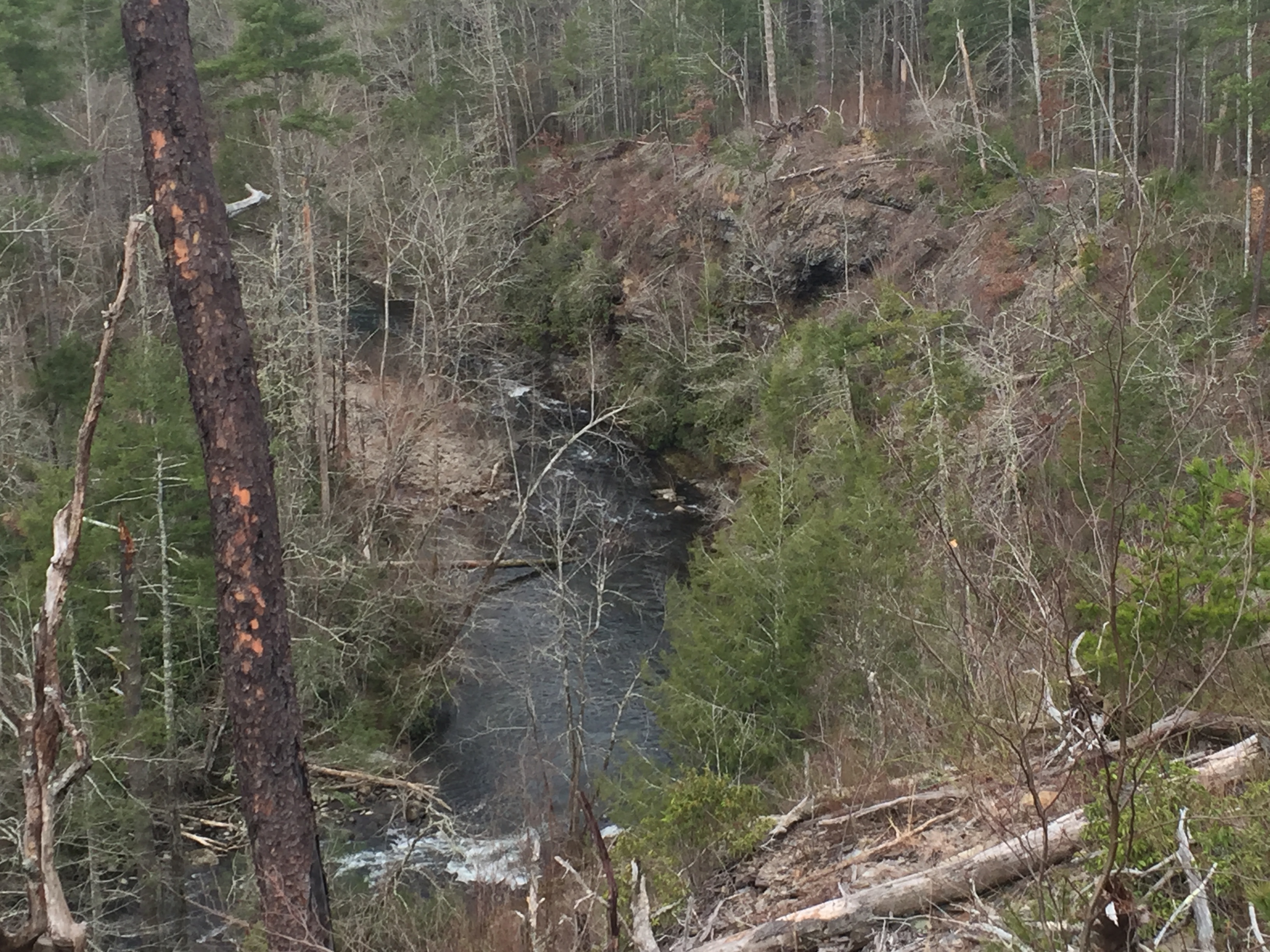
Abrams Creek on the descent of Little Bottoms Trail

Abrams Creek on the descent of Little Bottoms Trail

Little Bottoms Trail is a connector between Cooper Road Trail and Hatcher Mountain Trail.  It provides a number of Loop Hike possibilities as it is close to the intersection of Abrams Falls Trail and Hannah Mountain Trail.  From Abrams Creek Campground, the hike to Abrams Falls via Cooper Road to Little Bottoms to Hatcher to Abrams Falls is 5.3 miles.  Campsites #1 and #17 are both nicely situated along this path.


Campsite #17

Campsite #17

Abrams Creek at CS#17

Abrams Creek at CS#17

From Hatcher Mountain Trail it descends almost in roller coaster fashion (short bursts of up and down) as it follows Abrams Creek on its wonderful journey to Abrams Creek Campground.  The trail is fairly narrow as its genesis was a manway or footpath.  The water music from the Abrams is easily heard in the background and keeps you merry company as you move ever closer.  At 0.7 miles you pass the very popular Campsite #17.  Its popularity stems in part by it’s close proximity to the Abrams Creek Campground and good parking, but its most endearing feature is Abrams Creek, which is just across the path.  This is a large site with many great tent spots and surprisingly low impact.  The site on this day was well maintained and clean.  Certainly a place to note for an peaceful overnighter with a concert to sing you to sleep.

The trail moves along relatively flat for the next mile or so as you hug the edge of Abrams Creek.  This is a bit of bait and switch.  At 1.6 miles the trail suddenly leave the Creek and head uphill at a surpassing rate until it crests on the ridge at about 2.0 miles, then it swoops back down to pick up the Cooper Road Trail at 2.3 miles.  Campsite #1 appears on your right as you reach the end, which is about 0.9 miles from Abrams Creek Campground.

HikerHead 2  Shalom.  Strider out…
Goldmine Road Trail

Date:    03.11.2016

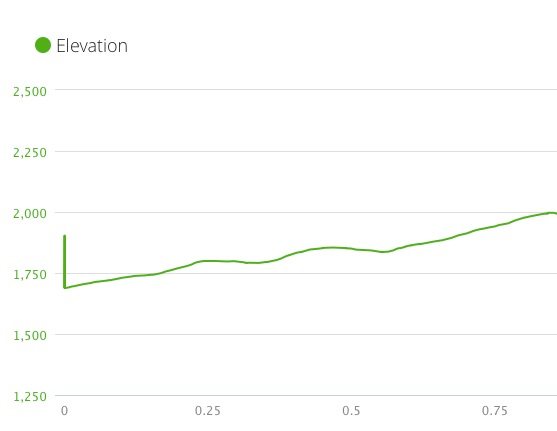
Miles:  0.8 miles           Elevation Gain:  309↑         Elev./Mi:   386        Grade:     7%          

Difficulty:  Class 3      Hiking Time: 0:17       Pace:  3.1  mph         Avg. Temp.:   65        

Section:  Cades Cove       

Goldmine Trail Goldmine Elevation

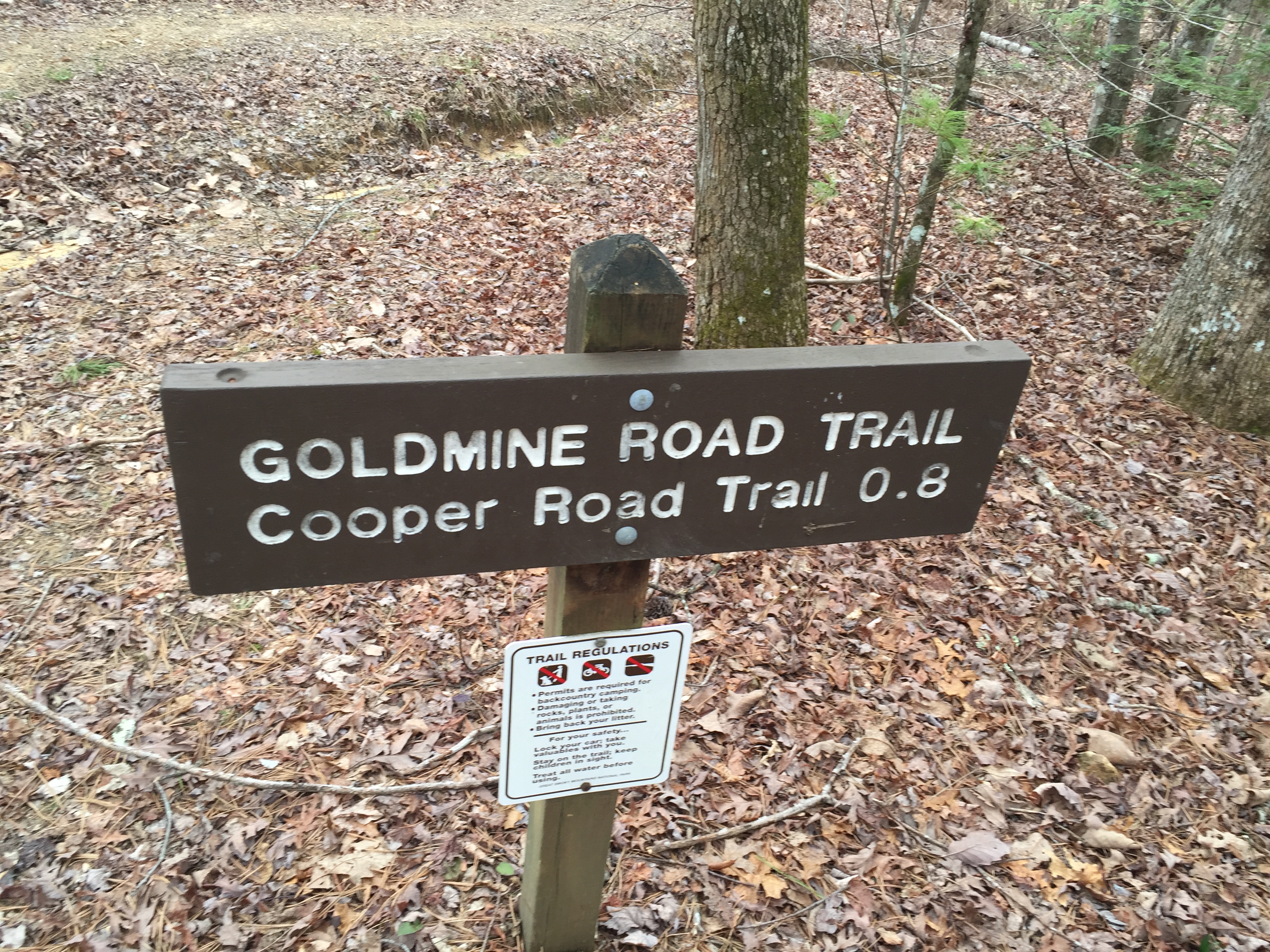
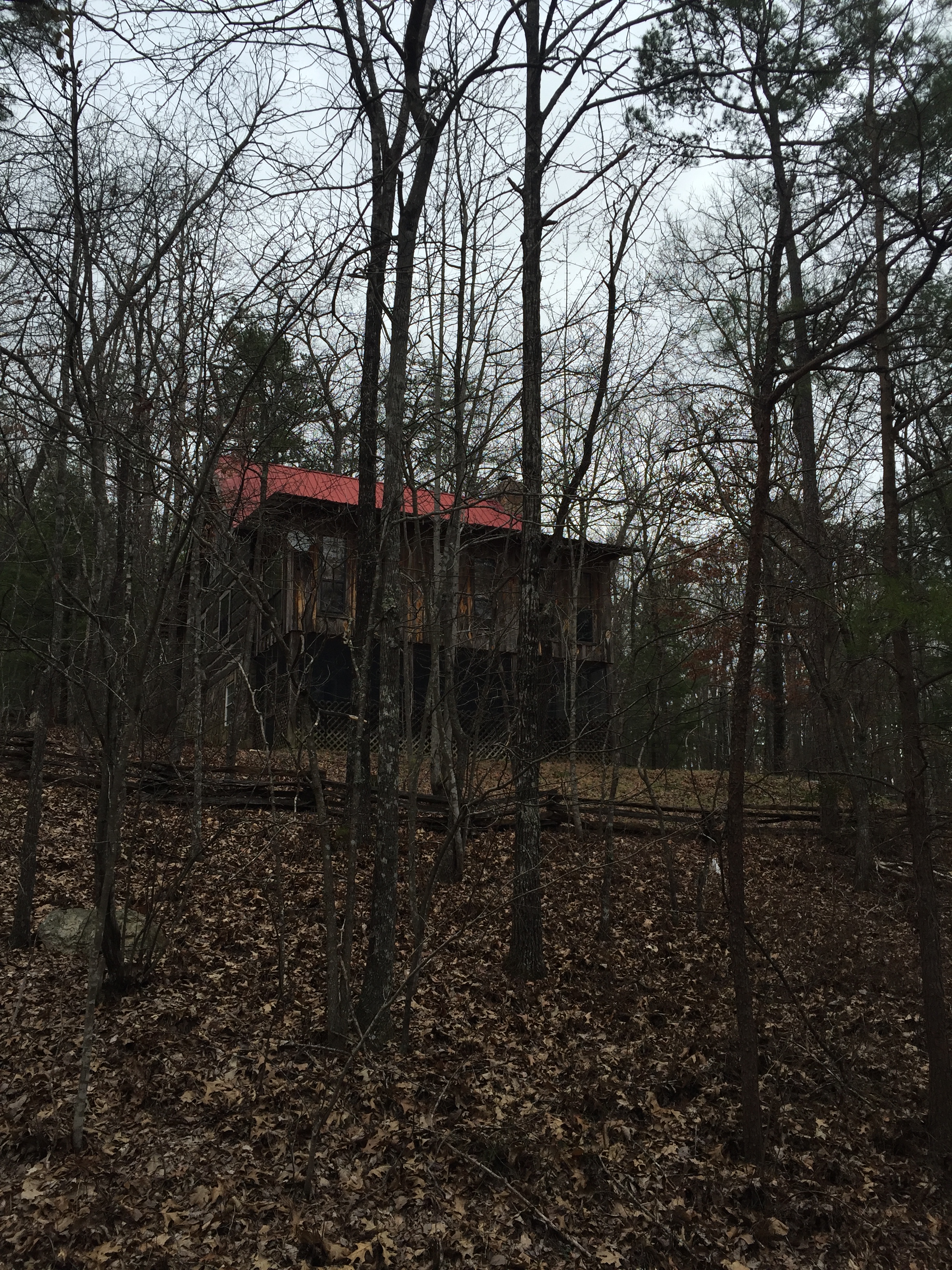
IMG_2481The Goldmine Road Trail is merely an access trail to Goldmine Gap and the Cooper Road Trail.  The Brown Book describes its starting point as 2.5 miles up the Cooper Road Trail from Abrams Creek Campground, which is true.  The trail terminates at the Park Boundary, which is only a hundred yards or so from a residential street in the Top Of The World Community.  This community is accessible from the Foothills Parkway.  Flats Road intersects near the entrance of the Look Rock Campground and twists along through the Top Of The World Community.  Look for Joroulman Dr. on the right and take the first right after that onto Stiffener Circle.  The trail access is on the right just before a sharp curve to the left.  Look for a cabin with a red metal roof across the street.  There is no official parking area but the is some space on the side of the road.  Watch for horse trailers though.

From the Cooper Road Trail, Gold Mine trail ascends steadily the whole 0.8 miles.  The Brown Book has some interesting history about this old track but otherwise, there is nothing really remarkable about it other than a good access to Cooper Road and Cane Creek Trails.

Cabin near access to Gold Mine Trail

Cabin near access to Gold Mine Trail

HikerHead 2 Shalom, Strider out…

Beard Cane Trail

Date:    02.26.2016

Miles:  4.2 miles           Elevation Gain:  420↑         Elev./Mi:   100        Grade:     2%          

Difficulty:  Class 1      Hiking Time: 1:31       Pace:  2.9  mph         Avg. Temp.:   68        

Section:  Cades Cove       

Beard Cane Trail  Beard Cane Elevation

Beard Cane Trail offers quite a diverse hiking experience in that it probably the straightest trail in the park and it has three distinct sections over its 4 miles. The first section is characterized by the massive blowdown damage in the cove along its first mile and a half.  Once through the blowdown section the trail enters the woods for a nice flat hike with 16 creek crossings, many of which are wet crossings, affording the hiker the chance to test the waterproof capability of their boots.  And, as this trail is most likely to be hiked as a roundtrip, it doubles the number of wet creek crossings. Finally, there is a steady climb to the end of the section through mixed hardwood forrest.

There is no trailhead.  The trail can be accessed from the intersection between Cooper Road Trail and Hatcher Mountain Trail, or in Blair Gap at the end of the Ace Gap Trail.  The trail does not fit well into a loop hike but there is a nice campsite for an overnighter.  This hike was part of a backpacking trip out of Abrams Creek Campground and was hiked as a roundtrip.

IMG_2493From the intersection with Cooper Road Trail, the trail descends gradually for the next 3 miles to Campsite #3.  At 0.4 miles, the trail enters a cove between Hatcher Mountain and Beard Cane Mountain.  The Brown Book of 2001 described this section as nicely shaded but that is a remnant of history as at some point there was a devastating wind storm that came through the cove sipping out virtually all the trees.  There is evidence of a huge tangled mess of blowdowns through which the Park Service did a great job of cutting through.  The trail is edged by briars and new undergrowth.  There are two ways to consider this trail.  One as an ordeal to survive for the 900 miler but rather, it is a chance to experience how creation renews itself following a devastating event
that is very much a part of the cycle of life.  The trail runs through several wet swampy parts over its first mile or so.

IMG_2495At 1.0 miles, there is a signpost typical of those marking the backcountry campsites.  This one announces Campsite #11 but there is no campsite to be found among the solid blowdowns and thorny undergrowth.  There is not even a remnant of a flat place where the campsite might have been.  CS #11 is on many of the older maps but it is not active on the Park Service Backcountry Reservation website.


IMG_2497At 1.2 miles there is relief from the blowdown wasteland as the trail moves back under forrest cover.  This is the segue into the second section of this trail, which is the wet foot section.  While the trail continues along a pleasant flat terrain, the first wet creek crossing occurs at 1.7 miles.  Rather than document all the crossings in the narrative, perhaps it is most efficient to list them. The majority of these are wet crossing meaning they do not have convenient placement of rocks or logs to cross without waking in the creek.

Creek Crossings on Beard Cane Creek:

1.7     1.9     1.9     2.3     2.4     2.5     2.6     2.6     2.7     2.7     2.9     2.9     3.0     3.0     3.1     3.5     4.2


The arrival at Campsite #3 is the sign that the wet crossing are through, unless you’re bound for a return trip.  Campsite #3, Hesse Creek is a very nice spot with space for a a few tents.  It is off the trail sufficiently and very little impact.    After crossing Hesse Creek, the trail ascends rather sharply toward Blair Gap and the intersection with Ace Gap Trail.

Intersection of Ace Gap and Beard Cane

Intersection of Ace Gap and Beard Cane

HikerHead 2   Shalom.  Strider out…

Cane Creek Trail

Miles: 2.1 miles           Elevation Gain:   325↓         Elev./Mi:   154        Grade:  3%          

Difficulty:  Class 2        Hiking Time: 0:48       Pace:  3.2  mph         Avg. Temp.:   74        

Section:  Cades Cove           

Cane Creek Trail  Cane Creek Elevation

Cane Creek is the kind of trail that gets orphaned for the 900 miler.  There is no easily accessible trailhead and it is not part of any loop.  Furthermore, it is a roundtrip.  The closest trailhead is 1.5 from the Goldmine Road Trail but that is an obscure access in a small residential area in the Lake In The Sky community off the Foothills Parkway.  The other option is Abrams Creek Campground, 3.7 miles down Cooper Road Trail.  This hike was part of a backpacking trip that included most of the trails in the Abrams Creek area.

IMG_2484

Campsite #2 – Cane Creek

The trail starts at Cane Gap at the junction with Cooper Road Trail.  The trail leaves the gap in  gentle descent through mixed hardwoods.  There is a creek crossing at about 0.5 miles that is a rock hopper, followed by Campsite #2 – Cane Creek at 06. miles.  Cane Creek Camp is a little used site that is pretty nice on Cane Creek.  Just passed CS #2, you cross over Cane Creek again, which is a wet crossing save for a downed log just up the creek about 20 yds.


IMG_2488

Buchanan Cemetery

At 1.2 miles is a side creek crossing which is another wet crossing. The Buchanan Family Cemetery comes up at 1.3 miles.  There are graves dating back to the early 1900’s.  The trail continues flatly to the park boundary.  Another wet stream crossing occurs at 1.9 miles.  At the park boundary, the trail appears to continue on through what is probably private property.  The Google Map of this section indicates that the Cane Creek Trail continues on out to Millers Cove Road in the Lake In The Sky community.

Abrams Creek Backpacking Trip

Date: 03.11.2016  – 03.12.2016   

Miles:  25.2              

Abrams Creek Backpacking TripAbrams Creek is an incredible section for hiking, if for no other reason than Abrams Creek itself.  The section is far enough from Cades Cove that you can avoid the typical crowds and if you want to catch the Falls, you have a spectacular approach from the bottom of the Creek rather than the traditional trailhead from the Cove.  Although there are no high top vistas, there are nice view of the ridges in the area and a plus is the fact that the climbing is fairly benign.  The trailhead is at Abrams Campground, which was still closed for the season.  It is a primitive campground in that there are no facilities for campers needing electricity and water.  It’s tents only.  The area is a favorite among horseback riders.

For the 900 miler, there is quite a bit of out-and-back hiking to make the loop.  In this case, Cane Creek is an unavoidable roundtrip as was Beard Cane in this particular route.  Added to that is the Gold Mine Trail and a mile of Cooper Road at the trailhead, resulting in a total of 9.3 miles of repeated hiking.  Here is the route for this trip:

  • Trailhead:  Cooper Road Trail at Abrams Creek Campground.
  • Cooper Road Trail to Goldmine Road Trail              2.6 m
  • Goldmine Road Trail to Trailhead and return         1.6 m
  • Cooper Road to Cane Creek Trail                                0.6 m
  • Cane Creek Trail to end and return                            4.2 m
  • Cooper Road Trail to Beard Cane                                 1.8 m
  • Beard Cane to Blair Gap and return                           8.4 m
  • Camp at CS#3
  • Hatcher Mountain Trail to Little Bottoms Trail     2.6 m
  • Little Bottoms Trail to Cooper Road Trail                 2.3 m
  • Cooper Road Trail to trailhead                                     0.9 m

As for documenting the trails, it was a bit challenging in that the route had three offshoots from Cooper Road Trail dividing it into three distinct sections.  There are 4 campsites in this section; # 1, 2, 3 and 17.  There is ample water throughout the section.

IMG_2474My base pack weight for this hike was 16 lbs. and total weight as 22 lbs.  I got started at about 9:00 am on a cloudy day heading down Cooper Road Trail.  The hike starts out typically as a double track jeep road along Abrams Creek.  I passed a couple fisherman.  There are a couple creek crossings in the first mile. Campsite #1 is just past the trail junction with Little Bottoms Trail at 1 mile.  For a campsite so close to a trailhead, the site is only lightly impacted.  I met a 74 year old day hiker and we exchanged a few hiking stories.  At 2.6 miles you reach Goldmine Gap and the Goldmine Road Trail leading to the park boundary.  The trailhead is in a small neighborhood and is rather obscure as there is no marking for the trail.  Upon completing the 32 minute roundtrip to the trailhead of the Goldmine Road Trail, I continued on Copper Road to Cane Gap.


IMG_2488Cane Creek Trail intersects at .6 miles up from the Goldmine Road trail.  There is a stream crossing just ahead of Campsite #2, a nice little site although one would do well to watch for widow makers in some of the dead pine trees.  I stashed my pack up the bear cables and move on to the end of Cane Creek Trail.  Just past the campsite, there is a wet stream crossing.  There is a small cemetery about 1.6 miles accounting for the fairly wide trail.  There are a number of Buchannans buried there dating back to the early 1900’s.  At about 1.8 miles, there is the third wet stream crossing before the end of the trail at 2.1 miles in.  It is a bit of a shame there is no connector with Beard Cane along the park boundary.  The sun popped out on the return trip to CS#2 for a bite of lunch.

At 1:15, I was back out at Cooper Road headed for Beard Cane.  The temperature rose to 78 degrees.  Cooper Road ascend a bit to top out on a ridge for a half mile.  Toward Beard Cane Trail, the foliage opens up as a result of the windstorms that devastated many of the trees in this area.  I use the voice recorder on my phone to capture voice notes and sometimes I forget to turn it off before it goes back in my pocket.  So I captured about 17 minutes of hiking with my phone recording the sounds from my pocket.  In a weird sense, it sounded very much like a heartbeat and blood flowing through the circulatory system.  I cleared this last bit of the Cooper Road trail, 1.8 miles in 33 minutes and headed down the Beard Cane Trail.

IMG_2495

The Campsite formerly known as #11. The sign post is all that remains.

The severe wind devastation begins about a half mile in.  My original plan was to stash the pack and camp at CS#11 which was about a mile in.  Upon getting there, I found the post announcing the site but there is no site to be found.  There are blow downs everywhere.  The site is still listed on the Park Service Backcountry website but it does not allow reservations.  This section of Beard Cane is disappointing on the one hand but also pretty amazing in the fact that the Park Service managed to clear this tangled mass of blow downs so it can be traversed.  Now we get to watch how creation re-invents itself after a traumatic event.  The trail is muddy and swampy in places but for the most part, the briars and undergrowth are cut sufficiently back.  My memory of this section from the last time was a very long stretch over several wet creek crossings but to my pleasant surprise, the blow down section ends after only a 3/4 mile or so.  The balance of the trail is fairly level but there are several creek crossings that will involve wet feet.  CS#3 is 3.7 miles in.  I stashed the pack and finished the section at Blair Gap and returned to CS#3.


Home Sweet Hammock

Home Sweet Hammock

My evening at CS#3 was pleasant and lonely.  The site is on Beard Cane Creek itself and I was sung to sleep with water music.  The next morning, I headed back the 3.7 miles to Hatcher Mountain Trail. I have already hiked Hatcher Mountain on my previous Cooper Road – Abrams Fall Trail loop but it was nice to see it again as there are wonderful views of the Abrams Creek through pine forests and the hiking is generally downhill.

By 9:33, I started down Little Bottoms Trail which rolls up and down and it nears Abrams Creek.  Campsite #17 is 0.7 miles in.  It is a great site next to Abrams Creek.  There are plenty of open flat spots for tents and it is a place to remember for a short overnight creation fix.  There is no a lot of dead and down wood but there are few other signs of impact with low tree cover and pine needle carpet.  The trail continues along the creek nice and flat until about 1.5 miles where it ascend the ridge rather dramatically for a half mile or so where it descends steeply back to Cooper Road Trail.  After a rock-hop creek crossing and 56 minutes, Little Bottoms Trail was complete.  I hiked the 0.9 miles blackout to Abrams Creek Campground for some lunch.

The plan was to continue with the  lower section of Rabbit Creek and Hannah Mountain but that was going to add about 9 miles to the trip and I opted to do that another day.

HikerHead 2  Shalom.  Strider out…